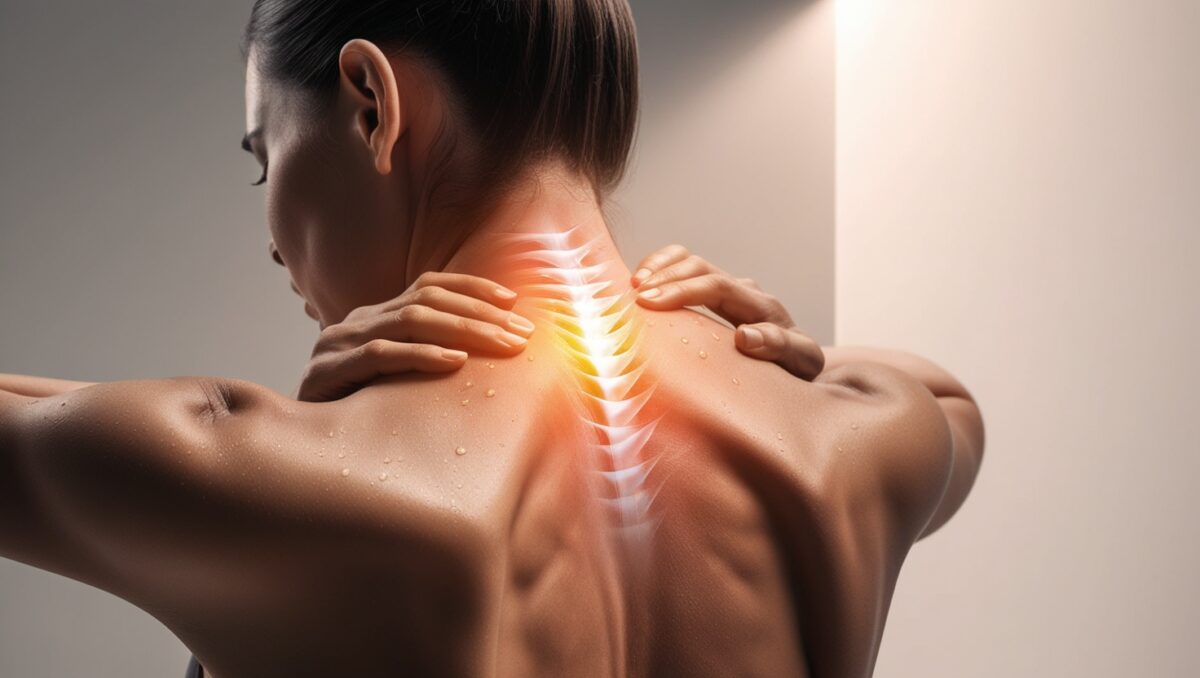



Why Do We Experience Lower Back Pain? Discover the Most Effective Ways to Find Relief
2014-05-12
What does discomfort in the lower back area mean? The most important causes and solutions.
2025-03-05
Table of Contents:
-
Introduction – Back Pain as a Modern Civilization Issue
-
Types of Back Pain by Location
-
Causes and Risk Factors
-
Diagnosis
-
Treatment Methods and Recovery Support
-
Corrective and Strengthening Exercises
-
The Role of Physiotherapy in Managing Back Pain
-
Pharmacological and Natural Approaches
-
-
Prevention – How to Take Care of Your Spine Daily
-
Conclusion
1. Introduction – Back Pain as a Modern Civilization Issue
Whether it strikes the upper, middle, or lower back, back pain is one of the most common sources of discomfort among adults. The modern lifestyle—dominated by desk jobs, inactivity, and chronic stress—greatly contributes to muscular tension and strain on the spine.
As a physiotherapist and personal trainer, I often work with clients who treat chronic back pain as something “normal.” Thankfully, for most of them, the right exercises, habit changes, and mindful prevention strategies can make a world of difference.
2. Types of Back Pain by Location
-
Cervical Spine (C1–C7)
Often linked to tension in the neck muscles, commonly from prolonged head-down posture (like looking at a phone). -
Thoracic Spine (Th1–Th12)
May result from tightness between the shoulder blades or poor posture. -
Lumbar Spine (L1–L5)
The most vulnerable to overload since it supports the upper body’s weight. -
Sacral Area
Pain here can stem from stress on the sacroiliac joints.
3. Causes and Risk Factors
-
Lack of movement and sedentary lifestyle – weak muscles fail to support the spine properly.
-
Poor posture – slouching, overextending the lower back, or jutting the head forward.
-
Excess weight or obesity – puts added strain on the spinal structures.
-
Training overload – lifting too much without proper technique or warm-up.
-
Stress and emotional tension – leads to chronic muscle tightness, especially in the neck and lower back.
-
Congenital or medical conditions – such as postural defects, degenerative diseases, or herniated discs.
4. The Importance of Diagnosis
Before any treatment begins, proper diagnosis is crucial. Sometimes, a thorough interview and manual assessment by a physiotherapist are enough. In other cases, additional tests may be necessary to pinpoint the issue.
5. Treatment Methods and Recovery Support
Corrective and Strengthening Exercises
No matter where your pain is located, regular movement is key. Effective exercises include:
-
Rolling and stretching the muscles along the spine to release tension
-
Mobility exercises for spinal joints, like cat-cow stretches or seated trunk rotations
-
Core-strengthening moves such as planks, side planks, and exercises with a stability ball
The Role of Physiotherapy in Managing Back Pain
-
Manual therapy – joint mobilizations and manipulations, myofascial release, massage
-
Kinesiotherapy – individually tailored exercise programs, often conducted in a clinic
-
Physical therapy modalities – TENS, ultrasound, and laser therapy to aid healing and reduce pain
Pharmacological and Natural Approaches
-
Painkillers and anti-inflammatories – helpful for inflammation, though they don’t address the root cause
-
Herbal remedies and compresses – like warming wraps, arnica creams, or ginger-based products
-
Supplements – vitamin D, omega-3s, and magnesium to support musculoskeletal health
6. Prevention – How to Take Care of Your Spine Daily
-
Maintain good posture: Pay attention to how you sit, stand, and walk
-
Move regularly: You don’t need to run marathons—consistent walking or swimming can do wonders
-
Focus on ergonomics: A supportive chair, proper monitor setup, and frequent breaks from sitting
-
Lift properly: Always bend your knees and keep your back straight when lifting
-
Include core-stabilizing exercises in your workout routine
7. Conclusion
Back discomfort is becoming increasingly common—but the good news is, in most cases, it can be managed effectively. With some lifestyle adjustments, regular exercise, and support from a physiotherapist, long-term relief is achievable. Back pain doesn’t have to be a life sentence—it’s more often a signal that your body needs better care.
(This article is for informational purposes and is not a substitute for professional medical advice. If your symptoms persist, consult a doctor or physiotherapist.)