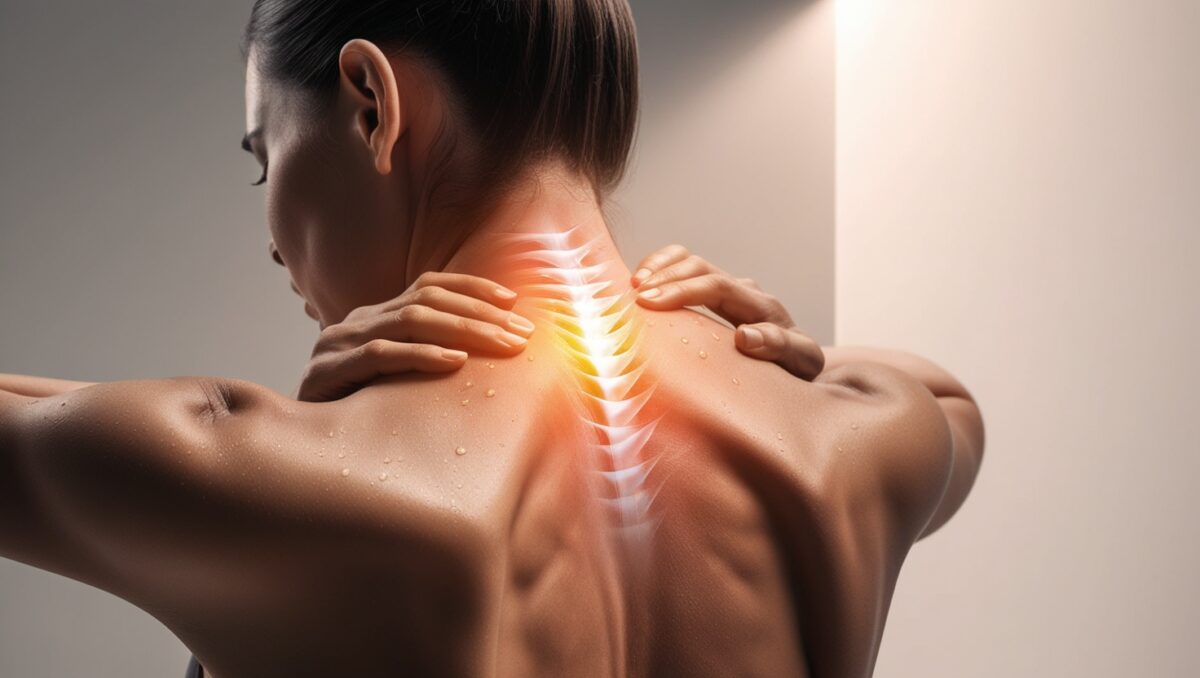



Pain Between the Shoulder Blades – What Causes It and How to Relieve It?
2025-03-10
Table of Contents:
-
Brief Description of the Problem – Pain in the Side of the Lower Back
-
What Causes Pain in the Side of the Spine?
-
Home Remedies for Relieving Discomfort
-
Strengthening and Stretching Exercises
-
Habits Worth Changing
-
When to Seek Specialist Help?
-
Summary
1. Brief Description of the Problem – Pain in the Side of the Lower Back
Pain in the side of the lower back often appears after a long day of sitting at a desk, a long car trip, or intense exercise. It can be sharp, pulling, or dull.
Many of my patients describe this discomfort as a "pulling sensation on the side" when bending or rotating their torso. It’s important to note that this isn’t always a serious injury—often, rest and appropriate exercises are enough to alleviate the pain.
2. What Causes Pain in the Side of the Spine?
-
Muscle Tightness: The quadratus lumborum or abdominal oblique muscles can become too tight.
-
Poor Posture: Shifting body weight to one leg while standing, sitting with a tilted pelvis.
-
Physical Activity with Asymmetrical Loading: For example, racquet sports, golf, or dancing with frequent torso rotations.
-
Inflammation: Sacroiliac joint inflammation, nerve root inflammation.
3. Home Remedies for Relieving Discomfort
-
Warm Shower or Compresses: Heat helps to relax tense muscles.
-
Gentle Self-Massage: For example, using a tennis ball.
-
Breathing Exercises: While lying down, consciously relax the muscles around the lower back with deep breathing.
-
Avoiding Sudden Movements: Especially torso twists, until the pain subsides.
4. Strengthening and Stretching Exercises
-
Side Bends with Arm Overhead
-
Stand with feet apart, raise one arm and lean the torso to the opposite side, stretching the side of your back.
-
-
Side Plank
-
Strengthens the oblique abdominal muscles and stabilizes the lumbar spine.
-
-
Torso Rotations While Seated
-
Sit with legs crossed, gently rotate your torso to the right and left, keeping your back straight.
-
-
Stretching the Quadratus Lumborum
-
Kneel on one leg and extend the other leg to the side, lean toward the extended leg, feeling the stretch in your lower back.
-
5. Habits Worth Changing
-
Evenly Distribute Body Weight: Don’t always stand on one leg, avoid carrying a handbag on one shoulder.
-
Seating Ergonomics: Ensure both feet are flat on the floor, and the lumbar spine is supported.
-
Regular Movement Breaks: Get up every hour, stretch, do some squats.
-
Posture Check in the Mirror: Occasionally check if your pelvis is tilted.
6. When to Seek Specialist Help?
-
If the pain doesn’t go away after several days of using home remedies and exercises.
-
If you notice numbness, tingling, or pain radiating down the leg.
-
When pain interferes with normal activities (sleeping, working, walking).
A physiotherapist or doctor can perform detailed tests, order imaging exams, and recommend a professional rehabilitation plan.
7. Summary
Pain in the side of the lower spine is a common issue many people face daily. Fortunately, in most cases, simple stretching, strengthening exercises, and work on proper movement habits can help alleviate the discomfort.
However, remember that prevention is always better than treatment—regular sitting breaks, mindful exercise, and attention to good posture are the best ways to avoid pain and stay active every day.
(The above text does not replace professional medical advice. If the pain intensifies, consult a physiotherapist or doctor.)