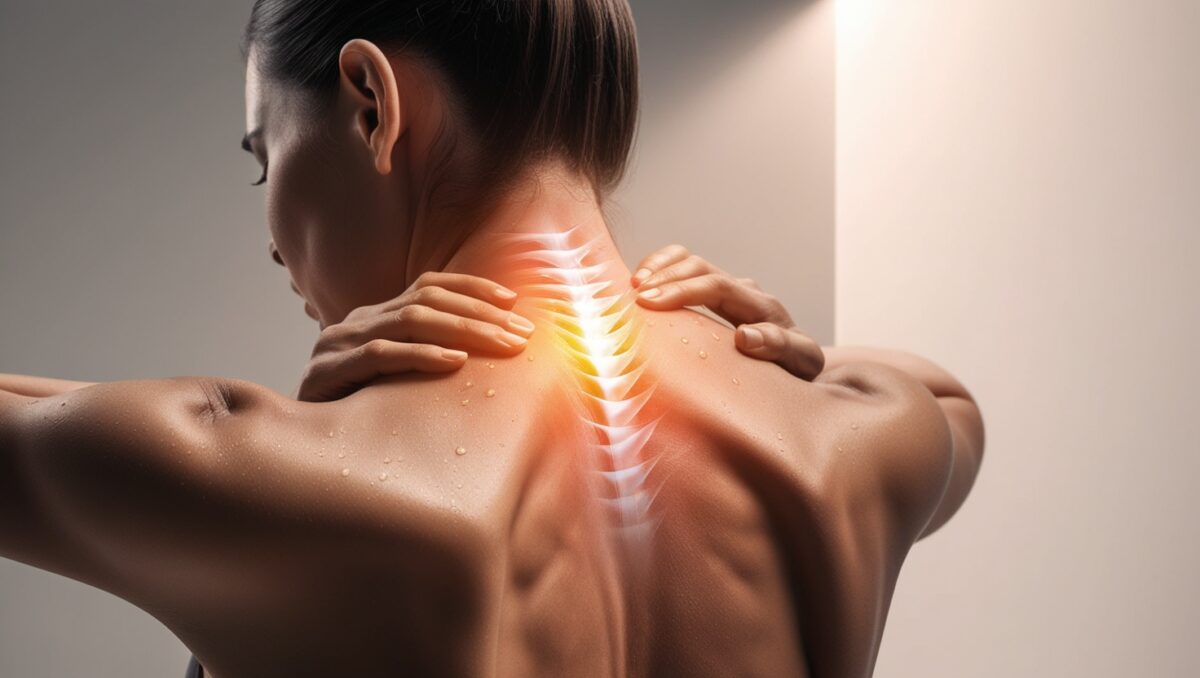



Pain in the Lower Back Sides: What It Means and Which Treatments Provide Relief
2025-03-09
Pain Between the Shoulder Blades – What Causes It and How to Relieve It?
2025-03-10
Table of Contents:
-
Introduction – What Do We Mean by "Lower Back Pain"?
-
Common Symptoms and Reasons for Seeing a Physiotherapist
-
Home Remedies for Lower Back Pain
-
The Role of Professional Therapy and Medical Training
-
Exercises Recommended by Physiotherapists
-
Common Mistakes in Treating Lower Back Pain
-
Prevention and Healthy Habits
-
Summary
1. Introduction – What Do We Mean by "Lower Back Pain"?
"Lower back pain" is a common term used to describe discomfort in the lumbar and sacral areas. Often, it is interchangeable with "lower back discomfort." This pain can affect areas from the last lumbar vertebrae to the sacroiliac joints, regions crucial for stabilizing the torso. When experiencing lower back pain, people often notice limited mobility, making it difficult to perform simple daily tasks like bending or getting up.
2. Common Symptoms and Reasons for Seeking a Physiotherapist
-
Local pain: Discomfort concentrated in one spot that worsens with movement.
-
Radiating pain: Sometimes the pain spreads to the buttocks, hips, or even down to the knees.
-
Morning stiffness: Many people experience stiffness in the lower back upon waking, which improves after a brief warm-up.
-
Difficulty with standing straight: Some individuals struggle to stand up after sitting for long periods.
-
Movement blockage: In severe cases, pain may cause a "shooting" sensation, restricting normal movement.
Physiotherapists typically treat individuals whose lower back pain interferes with normal functioning. After conducting an assessment, they can determine whether the issue arises from muscle tension, improper pelvic alignment, or structural damage, such as a herniated disc.
3. Home Remedies for Lower Back Pain
-
Rest, but not lying flat: While many people think lying down is best for lower back pain, the spine benefits from moderate movement. Prolonged bed rest can worsen the condition.
-
Warm compresses or a warm bath: Heat promotes circulation and helps relax tense muscles.
-
Gentle stretching: Mild stretches, such as the child’s pose from yoga or lifting the hips while lying on your back, can reduce pressure on the spine.
-
Avoiding sudden movements: Especially during acute pain, it's essential to move smoothly.
4. The Role of Professional Therapy and Medical Training
-
Diagnosis: A physiotherapist will assess your movement mechanics, joint ranges, and muscle tension.
-
Manual therapy: This can provide quick relief if the pain is caused by joint blockages or excessive muscle tension.
-
Personalized exercise plan: Medical fitness involves selecting exercises that strengthen, stretch, and stabilize the lower back.
-
Patient education: You'll learn proper movement patterns and ways to prevent recurrence of pain.
5. Exercises Recommended by Physiotherapists
-
Strengthening deep abdominal muscles (e.g., plank): Hold your body in a straight line, avoiding dropping your hips. Start with 20–30 seconds, gradually increasing the time.
-
Pelvic mobilizations: Lie on your back with your knees bent and feet flat on the floor. Gently sway your pelvis forward and backward.
-
Glute strengthening: The bridge exercise (lifting your hips while lying on your back) stabilizes the entire lower back region.
6. Common Mistakes in Treating Lower Back Pain
-
Too much inactivity: Avoiding movement altogether can weaken muscles.
-
Bad postural habits: Sitting for hours in poor posture can negate the benefits of rehabilitation.
-
Excessive training load: Returning to intense sports too quickly without proper progression can lead to further injury.
-
Self-manipulation of the spine: Attempting amateur adjustments without anatomical knowledge can worsen the condition.
7. Prevention and Healthy Habits
-
Regular breaks while sitting: Take short breaks every hour to move your spine.
-
Stabilizing exercises: Incorporate these exercises into your routine at least 2–3 times a week.
-
General physical activity: Swimming, Nordic walking, and yoga can all help strengthen and mobilize the body.
-
Listen to your body: If the pain worsens, consult a specialist.
8. Summary
Lower back pain is a frequent issue that many people face. Fortunately, there are many effective ways to manage this problem, from home exercises and warm compresses to professional physiotherapy and medical training. The key is recognizing that treatment should go beyond just alleviating symptoms—it's about long-term improvement in spinal function and developing healthy habits to live pain-free.
(Note: The above text does not replace professional medical advice. If in doubt or if symptoms worsen, consult a doctor or physiotherapist.)